
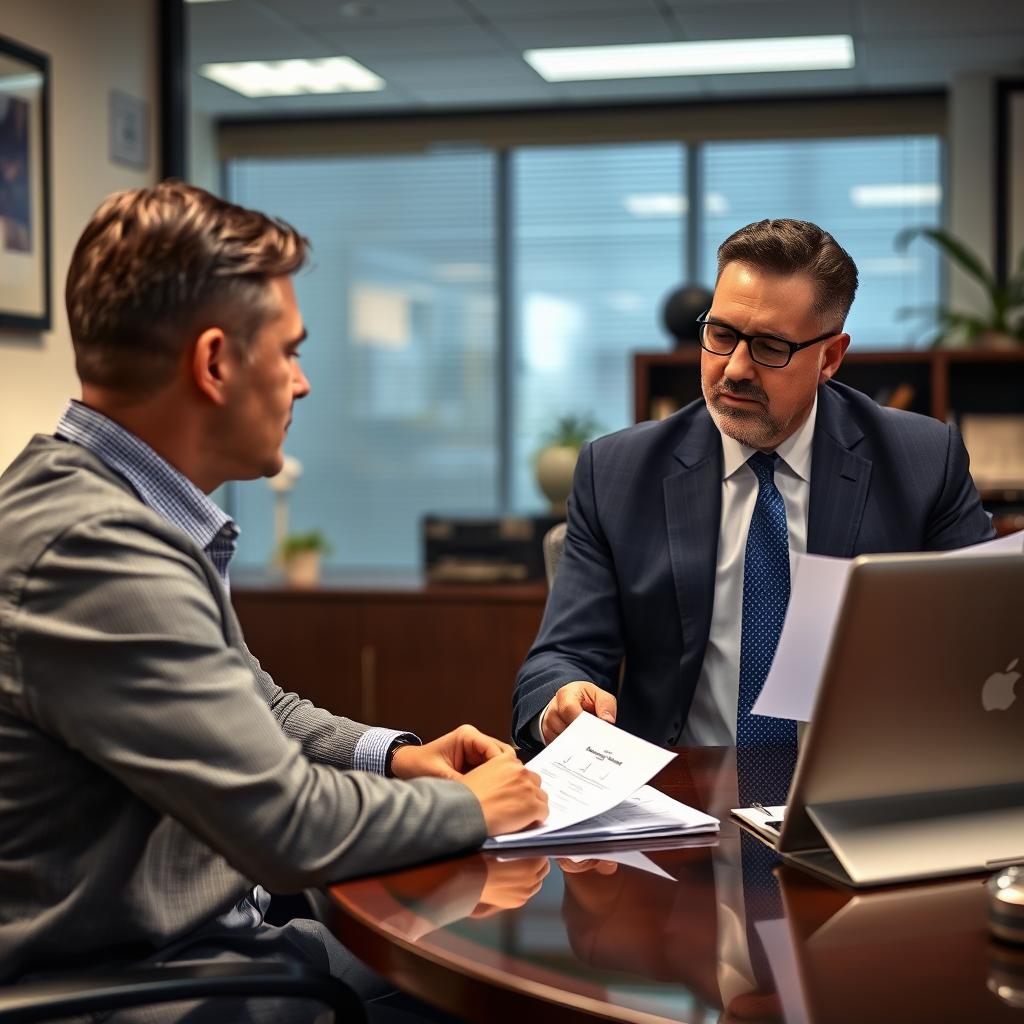
Rideshare Accident Lawyer Navy Yard, DC
Rideshare services like Uber and Lyft are part of daily life in Navy Yard, a vibrant waterfront neighborhood in Washington, D.C. When a rideshare trip ends in a collision, the legal questions can be complex—multiple insurance policies may apply, the driver’s status with the app matters, and D.C.’s unique contributory negligence rule means any small share of fault on the injured person’s part can block recovery entirely. For someone injured while riding, walking, or driving near Nationals Park or along M Street SE, getting clear guidance quickly matters. Law Offices Of SRIS, P.C. assists individuals in Navy Yard who have been hurt in rideshare accidents. The firm’s attorneys assess how the app company’s coverage, the driver’s personal policy, and the District’s liability laws fit together in each situation. To discuss your specific accident, call (888) 437-7747 to request a consultation. Law Offices Of SRIS, P.C. – Advocacy Without Borders.
Rideshare Accident Claims in Navy Yard, DC
Navy Yard’s dense mix of residential buildings, restaurants, and the ballpark generates heavy rideshare traffic, especially during game days and evening hours. An Uber or Lyft accident can happen at an intersection like New Jersey Avenue and M Street, on the I‑695 approach, or in the stop‑and‑go congestion near the Anacostia River bridges. What makes a rideshare claim different from an ordinary car‑accident case is the layered insurance structure: the app company provides coverage that activates depending on whether the driver was waiting for a ride request, en route to pick up a passenger, or transporting a passenger at the time of the crash. Understanding which policy applies and how D.C. Law handles fault sharing is the first step.
Washington, D.C. Follows the contributory‑negligence rule. That means an injured person who is found even one percent at fault for the accident is completely barred from recovering damages from another at‑fault party. Insurance adjusters know this and often argue that the injured person contributed to the crash—for example, by not wearing a seat belt, by failing to look before crossing, or by being in the driver’s blind spot. In a rideshare context, the company’s insurer or the driver’s personal carrier may assert partial fault to avoid payment altogether. Because of this rule, gathering evidence immediately after a Navy Yard rideshare accident is critical. Photographs of the scene, witness contact information, and the Uber or Lyft trip receipt all become important pieces of the claim. Personal‑injury claims in the District must generally be filed within three years under D.C. Code § 12‑301, but acting sooner helps preserve the facts.
Most rideshare accident claims are litigated in the DC Superior Court, Civil Division, located at 500 Indiana Avenue NW, Washington, DC 20001. That court is just a few miles from Navy Yard, accessible via the Green Line to Navy Yard‑Ballpark and the Red Line to Judiciary Square. The court requires mandatory mediation in many civil cases, and the Small Claims Branch handles matters where the amount in dispute is within the statutory limit—though serious injury claims typically proceed in the Civil Actions Branch. Engaging counsel who is familiar with how judges in the DC Superior Court approach evidentiary disputes, discovery deadlines, and mediation can influence how a case unfolds.
How Mr. Sris and the Firm’s Of Counsel Attorneys Handle Rideshare Accident Cases
When someone contacts Law Offices Of SRIS, P.C. after a Navy Yard rideshare accident, the firm’s attorneys begin by identifying every source of available insurance coverage. That means reviewing the app‑company policies (the contingent liability coverage that applies when the driver is logged in but has not accepted a trip, and the million‑dollar liability coverage that typically applies once a passenger is in the vehicle). It also includes examining the driver’s personal automobile policy and any underinsured‑motorist coverage the injured person may carry. The firm’s attorneys then look at how D.C.’s contributory‑negligence rule could be used against the claim and gather evidence designed to minimize arguments that the client bore any fault.
Because the firm has experience across multiple practice areas and jurisdictions—Virginia, Maryland, the District of Columbia, New Jersey, and New York—its Of Counsel attorneys are comfortable handling cases where the rideshare trip crossed a state line or involved parties from outside D.C. The firm works with accident‑reconstruction attorneys, medical professionals, and economic analysts to build a clear picture of the losses. Each case is evaluated on its own facts; there is no standard timeline or past results do not guarantee a similar outcome. The goal is always to present a thorough demand package and, if a fair settlement cannot be reached, to be prepared to try the case at DC Superior Court. Mr. Sris and the firm’s Of Counsel attorneys have handled personal‑injury matters in the District for many years. Results may vary.
About Mr. Sris and the Firm’s Of Counsel Attorneys
Mr. Sris is the Owner and Founder of Law Offices Of SRIS, P.C., and he is admitted to practice in Virginia, Maryland, the District of Columbia, New Jersey, and New York, and has been representing clients since 1997. His background includes service as a former prosecutor, which gives him perspective on how opposing counsel evaluates injury claims. Mr. Sris has testified before the Virginia House Courts of Justice Committee in support of 2019 HB 635 (chief patron Del. David Bulova).
The firm’s Of Counsel attorneys bring substantial collective experience in civil litigation and are admitted in several of the firm’s jurisdiction states. They work closely with Mr. Sris on personal‑injury matters, including rideshare accident cases, without being classified as employees or partners. This structure allows the firm to draw on a breadth of legal knowledge while keeping attention focused on each client’s unique situation. To discuss a Navy Yard rideshare accident, reach the firm’s attorneys at (888) 437-7747.
Frequently Asked Questions
What should I do right after a rideshare accident in Navy Yard?
Call 911, seek medical care, and document the scene. Even if injuries seem minor, adrenaline can mask pain. Take photographs of the vehicles, the crash location, and your visible injuries. Get the rideshare driver’s name and license plate, and capture a screenshot of the trip in the Uber or Lyft app. Exchange information with any other drivers. Do not discuss fault with the drivers or insurance representatives until you have spoken with an attorney. Then arrange a consultation to discuss your options under D.C.’s contributory‑negligence law.
How does DC’s contributory negligence rule affect my rideshare claim?
If you are found even one percent at fault, you may recover nothing. D.C. Applies the strict contributory‑negligence doctrine. Insurance companies for the rideshare platform or other drivers may argue you contributed to the accident—for example, by not paying attention, by exiting the car unsafely, or by failing to wear a seat belt. An attorney can gather evidence to counter those arguments and show the other party was entirely at fault. Because of this rule, preserving evidence immediately is crucial.
What is the statute of limitations for a rideshare injury claim in DC?
You generally have three years to file a personal‑injury lawsuit. D.C. Code § 12‑301 imposes a three‑year deadline calculated from the date of the accident. If the claim is not filed within that time, the court will likely dismiss it. However, there are narrow exceptions, and missing the deadline means losing the right to pursue compensation. Contact a lawyer as early as possible to make sure your claim is filed in time.
Which insurance policy pays after an Uber or Lyft crash?
The answer depends on the driver’s app status at the time of the collision. If the driver was logged into the app but had not accepted a ride, the company typically provides contingent liability coverage. Once a ride is accepted and during the trip, a higher‑limit policy—often $1 million in liability coverage—usually applies. The driver’s personal auto policy may also be relevant. A detailed review of the facts is necessary to determine which coverages are available and how they coordinate.
What damages can I recover in a Navy Yard rideshare accident case?
Compensatory damages for medical expenses, lost earnings, and pain and suffering are available if liability is established. A successful claim may cover hospital bills, rehabilitation, physical therapy, and future care needs. Lost wages and diminished earning capacity can also be claimed. Non‑economic damages for pain, emotional distress, and loss of enjoyment of life are recoverable as well. DC does not cap compensatory damages in most personal‑injury cases. The specific amount depends on the severity of the injury and the strength of the evidence.
Do I need a lawyer for a rideshare accident claim in DC?
You are not required to hire a lawyer, but having legal representation can affect the outcome. Because D.C.’s contributory‑negligence rule allows insurers to deny claims based on small allegations of fault, many injured people find that an attorney’s understanding of evidence gathering, settlement negotiation, and courtroom procedure makes a difference. When the app company’s insurer is involved, the claims process can be especially formal. A consultation allows you to understand your options without obligation.
For guidance on your specific situation, reach Law Offices Of SRIS, P.C. at (888) 437-7747.
Related pages:
Washington DC Personal Injury Lawyer |
Capitol Hill Personal Injury Lawyer |
Georgetown Personal Injury Lawyer |
NoMa Personal Injury Lawyer |
Southwest Waterfront Personal Injury Lawyer
Attorney advertising. Prior results do not guarantee a similar outcome.
Case results depend on a variety of factors unique to each case.
Results may vary.