
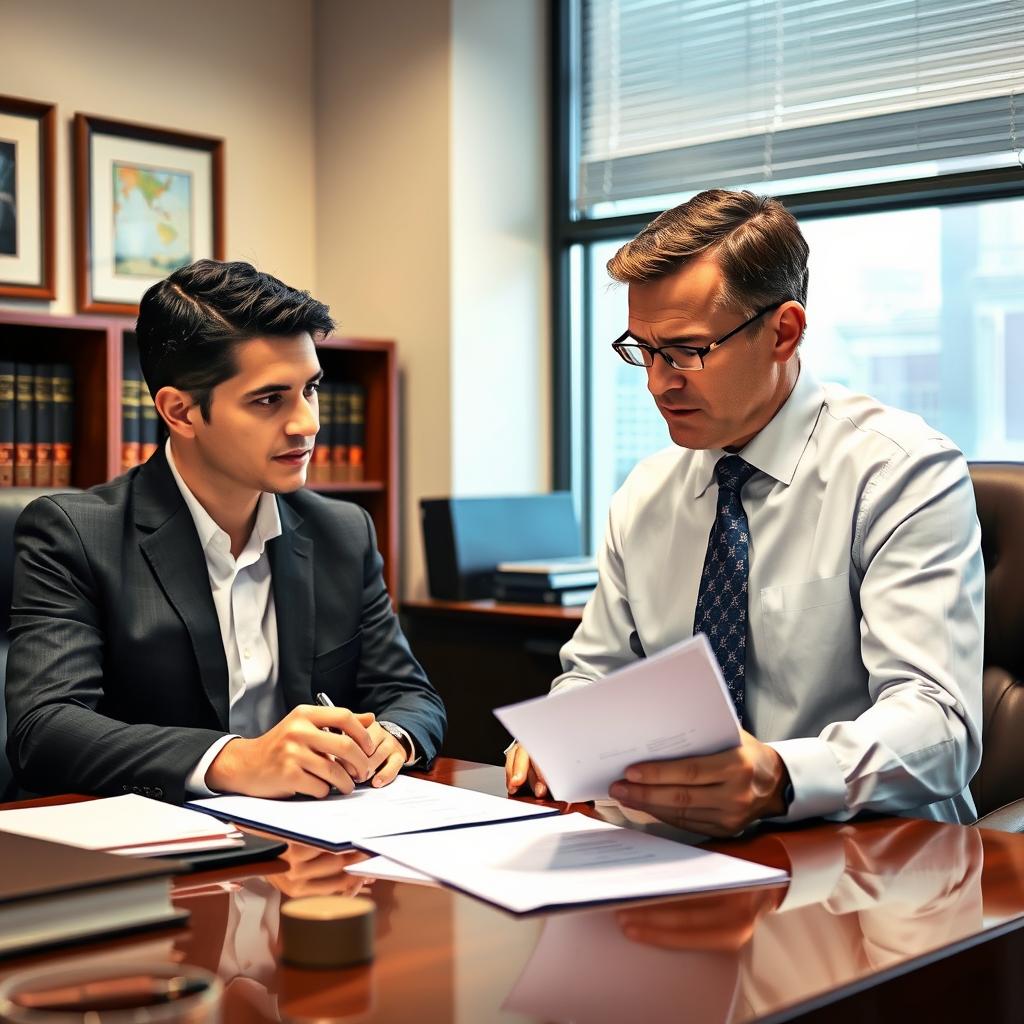
Public Transit Accident Lawyer Foggy Bottom, DC
Public transit accidents in the District of Columbia—whether involving a Metrobus, Metrorail train, DC Circulator, or a privately operated shuttle—can leave injured passengers and pedestrians facing severe injuries and complex claims. In Foggy Bottom, a neighborhood dense with GW University students, government employees, and visitors transiting between the Kennedy Center, the State Department, and the Foggy Bottom–GWU Metro station, these incidents happen at intersections, in station areas, and along high-traffic corridors like Virginia Avenue and 23rd Street NW. Recovering compensation after a public transit accident in the District requires navigating sovereign immunity notice requirements, the three‑year statute of limitations under D.C. Code § 12‑301(8), and the District’s pure contributory negligence rule—where even one percent of fault by the injured person bars recovery entirely. Mr. Sris and the firm’s Of Counsel attorneys help injured people in Foggy Bottom pursue claims against transit authorities, government entities, and private carriers. Reach Law Offices Of SRIS, P.C. at (888) 437‑7747 to request a consultation. Law Offices Of SRIS, P.C. – Advocacy Without Borders.
What Public Transit Accident Claims Mean in Foggy Bottom, DC
Foggy Bottom sits at the center of the District’s public transportation network. The Foggy Bottom–GWU Metro station (Blue, Orange, and Silver Lines) funnels thousands of riders daily onto 23rd Street, and multiple Metrobus routes—including the 31, 32, 36, and 38B—serve the neighborhood. The George Washington University campus adds pedestrian density, while the nearby Kennedy Center, Watergate complex, and State Department create steady vehicle and shuttle traffic. When a public transit vehicle strikes a pedestrian, collides with another vehicle, or stops abruptly causing passenger injuries, the injured person may have claims against the Washington Metropolitan Area Transit Authority (WMATA), a private bus company, or another responsible party. Because WMATA is an interstate compact agency, claims against it are subject to specific notice‑of‑claim deadlines that are shorter than the District’s general three‑year personal‑injury statute of limitations. Missing a notice deadline can forfeit the right to compensation entirely. The firm’s location in Arlington, Virginia—approximately 4.5 miles from DC Superior Court at 500 Indiana Avenue NW—allows Mr. Sris and the firm’s Of Counsel attorneys to handle Foggy Bottom cases efficiently while being fully admitted to practice in the District of Columbia.
The District of Columbia is one of only a few jurisdictions that still applies pure contributory negligence. Under this rule, if the injured person is found even one percent responsible for the accident, the court will bar any recovery. In a public transit accident, an insurer or defense attorney may argue that the pedestrian stepped off the curb too quickly, that a passenger failed to hold a handrail, or that a bicyclist contributed to the impact. Building a strong case from the start—preserving surveillance video from Metro stations or nearby businesses, obtaining the transit vehicle’s event data recorder information, and interviewing witnesses while memories are fresh—is critical. Mr. Sris and the firm’s Of Counsel attorneys concentrate on personal injury cases involving public transit, drawing on extensive experience in the District’s court system. Claims are filed in the Civil Division of DC Superior Court, and many proceed through mandatory mediation before trial.
How Mr. Sris and the Firm’s Of Counsel Attorneys Handle Public Transit Accident Cases
Every public transit accident case begins with an immediate investigation. The firm works to identify all potentially responsible parties—the transit operator, the transit authority, a maintenance contractor, a vehicle manufacturer, or another driver whose actions contributed to the crash. Evidence that can be crucial includes Metro station surveillance footage, bus dash‑camera recordings, the transit vehicle’s maintenance and inspection records, the operator’s personnel file and driving history, and data from the vehicle’s event data recorder or automatic train control systems. The firm acts quickly to send preservation‑of‑evidence letters so that this material is not destroyed or overwritten, as transit agencies often delete footage on short retention cycles.
Once the responsible parties are identified, Mr. Sris and the firm’s Of Counsel attorneys handle all communication with insurers, adjusters, and defense counsel. The firm prepares a detailed demand package that outlines liability, the nature and extent of the client’s injuries, and the full scope of economic and non‑economic damages—including medical expenses, lost earnings, future care needs, and pain and suffering. In the District of Columbia, personal injury cases are litigated in the Civil Division of DC Superior Court. The firm handles every stage: filing the complaint and jury demand, conducting discovery, taking depositions, engaging medical and accident‑reconstruction expert witnesses when appropriate, participating in mandatory mediation, and trying the case if a fair settlement is not offered. Throughout the process, the firm’s goal is to obtain the maximum recovery the law permits while keeping the client fully informed.
About Mr. Sris and the Firm’s Of Counsel Attorneys
Mr. Sris, Owner and Founder of Law Offices Of SRIS, P.C., has practiced law since 1997 and is admitted in Virginia, Maryland, the District of Columbia, New Jersey, and New York. As a former prosecutor, he brings a distinct understanding of how opposing parties and government entities build their cases, which informs the firm’s approach to personal injury litigation. Mr. Sris testified before the Virginia House Courts of Justice Committee in support of 2019 HB 635 (chief patron Del. David Bulova).
The firm’s Of Counsel attorneys bring additional litigation experience to public transit accident cases. Together, Mr. Sris and the firm’s Of Counsel attorneys offer extensive combined legal experience. Results may vary. The firm serves clients throughout the District of Columbia from its Arlington, Virginia location, making it convenient for Foggy Bottom residents and workers to access experienced legal representation without traveling far from the neighborhood.
Frequently Asked Questions
What should I do immediately after a public transit accident in Foggy Bottom?
Seek medical attention right away and report the accident to the transit operator or authority. Even if you feel fine, some injuries—such as whiplash, soft‑tissue damage, or traumatic brain injury—may not cause pain for hours or days. If you are able, take photos of the scene, the vehicle or train car, your injuries, and any visible hazards. Obtain the names and contact information of witnesses. Do not give a recorded statement to an insurance adjuster or transit claims representative before speaking with an attorney. Then contact an experienced personal injury lawyer who handles public transit cases in the District of Columbia to protect your rights and ensure critical evidence is preserved.
How long do I have to file a public transit injury claim in DC?
For most personal injury claims in the District of Columbia, the statute of limitations is three years from the date of the accident under D.C. Code § 12‑301(8). However, if your claim is against WMATA or another government‑operated transit system, you may be required to provide formal notice of the claim within a much shorter period—often as short as six months—and to file suit within a specified timeframe after the notice is denied or deemed denied. These notice deadlines are strictly enforced. Missing them can permanently bar your claim, so it is important to consult an attorney as soon as possible after the accident.
What is contributory negligence and how does it affect my case?
Contributory negligence is a legal rule that bars an injured person from recovering any compensation if they are found even one percent at fault for the accident. The District of Columbia is one of the few jurisdictions that follows this rule. In a public transit accident, the defense may try to shift blame to the injured passenger or pedestrian by arguing that they failed to exercise reasonable care. That is why building a strong liability case with clear evidence is essential from the beginning. An attorney who regularly handles DC personal injury matters will anticipate these arguments and work to counter them effectively.
What kinds of compensation can I recover after a public transit accident?
In a successful DC personal injury claim, you may recover compensation for both economic and non‑economic damages. Economic damages include past and future medical expenses, rehabilitation costs, lost wages, and loss of earning capacity. Non‑economic damages cover pain and suffering, emotional distress, disfigurement, and loss of enjoyment of life. The District of Columbia does not cap compensatory damages in most personal injury cases, though punitive damages may be available in cases involving particularly reckless conduct. The total value of your claim will depend on the severity of your injuries, the clarity of liability, and the available insurance coverage.
Do I need a lawyer for a public transit accident claim?
While you are not legally required to have a lawyer, handling a public transit accident claim against a government‑affiliated transit authority without experienced legal counsel is extremely difficult. These entities are defended by skilled attorneys and insurance professionals who begin working on the case immediately after the accident. Sovereign immunity rules and short notice deadlines can trap unrepresented individuals who attempt to handle the matter on their own. An attorney can conduct an independent investigation, manage all communications with insurers and defense counsel, and protect your right to full compensation. Mr. Sris and the firm’s Of Counsel attorneys represent injured people in Foggy Bottom and throughout the District.
How much does a public transit accident lawyer cost?
Most personal injury attorneys in the District of Columbia, including Law Offices Of SRIS, P.C., handle public transit accident cases on a contingency fee basis. This means that the attorney’s fee is paid as a percentage of the recovery obtained for you, and no fee is owed if there is no recovery. The specific percentage will be set out in a written fee agreement. During your initial consultation, Mr. Sris and the firm’s Of Counsel attorneys will explain the fee arrangement clearly so you can make an informed decision about moving forward.
Attorney advertising. Prior results do not guarantee a similar outcome. Case results depend on a variety of factors unique to each case. Results may vary. Law Offices Of SRIS, P.C. is a multi‑state law firm practicing in Virginia, Maryland, the District of Columbia, New Jersey, and New York. Mr. Sris is admitted in Virginia, Maryland, the District of Columbia, New Jersey, and New York. The firm’s Of Counsel attorneys are independent contractors and not employees of the firm.