
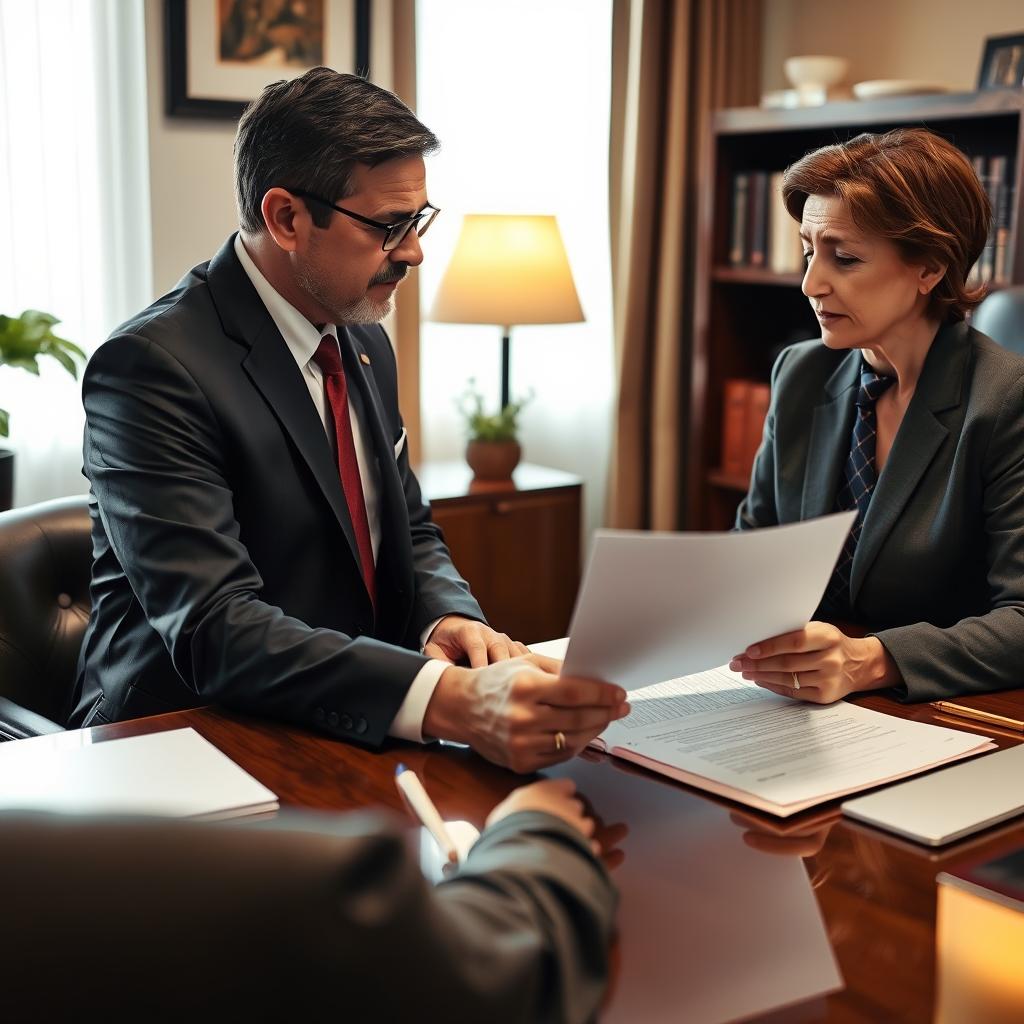
Nursing Home Abuse Lawyer in Capitol Hill, Washington DC
If you suspect a loved one is suffering from nursing home abuse or neglect in Capitol Hill, immediate legal action is critical. Nursing home abuse claims in Washington, D.C., are governed by D.C. Code § 44-1001 et seq., the Residents’ Rights Act, and fall under the contributory negligence rule. Law Offices Of SRIS, P.C.
Last verified: April 2026 | DC Superior Court | D.C. Code § 44-1001
Understanding Nursing Home Abuse Law in Washington, D.C.
Nursing home abuse and neglect in Washington, D.C., are serious violations of both statutory rights and common law duties of care. The primary statute is the Residents’ Rights Act (D.C. Code § 44-1001 et seq.), which establishes a bill of rights for long-term care residents, including the right to be free from abuse, neglect, and exploitation. A claim for elder abuse or nursing home negligence may also be based on common law negligence, where the facility breaches its duty to provide reasonable care, resulting in harm. These cases are filed in the DC Superior Court Civil Division. It is essential to consult with a nursing home abuse lawyer Capitol Hill to handle these complex laws.
Key Legal Procedures for an Elder Abuse Claim
Pursuing an elder abuse claim in D.C. requires understanding specific local procedures. All civil lawsuits, including those for nursing home negligence, are filed at the DC Superior Court at 500 Indiana Avenue NW. D.C. is one of the few jurisdictions that still follows the strict rule of contributory negligence, meaning if the plaintiff (or the resident) is found even 1% at fault for their injuries, they are completely barred from recovering any compensation. This makes thorough investigation and evidence preservation paramount from day one.
- Gather Evidence Immediately: Document all signs of abuse (photos, medical records, notes on changed behavior) and report concerns to the facility administrator and the D.C. Department of Health.
- Consult a Specialized Attorney: Contact a nursing home negligence lawyer Capitol Hill to evaluate the viability of your claim under D.C.’s contributory negligence rule.
- File a Formal Complaint: Your attorney will file a complaint in DC Superior Court, detailing the violations of the Residents’ Rights Act and/or negligence.
- handle Discovery & Mediation: The court will likely order mandatory mediation. Your lawyer will gather depositions, facility records, and experienced testimony to build a strong case.
- Prepare for Trial or Settlement: Most cases settle, but your attorney must be prepared to argue before a jury why the facility’s negligence was the sole cause of harm.
Potential Damages and Penalties
In Capitol Hill, a successful nursing home abuse or neglect claim can recover compensation for medical bills, pain and suffering, and, in cases of egregious conduct, punitive damages. There is no general cap on personal injury damages in D.C.
Damages aim to make the victim whole and punish wrongdoing. Recoverable damages may include:
- All past and future medical expenses related to the abuse (hospital stays, therapy, medications).
- Compensation for physical pain, emotional distress, and diminished quality of life.
- In cases of wrongful death, survivors may seek damages for loss of companionship and support.
- Punitive damages, intended to punish the facility for reckless or malicious conduct.
Results may vary. Prior results do not guarantee a similar outcome.
Why Choose Our Firm for Your Case
Founded in 1997, Law Offices Of SRIS, P.C. brings over 120 years of combined legal experience to every case. Our tagline, “Advocacy Without Borders,” reflects our commitment to fighting for vulnerable populations, including the elderly. We understand the sensitive nature of elder abuse claim lawyer Capitol Hill cases and approach them with both legal rigor and compassion. Our firm-wide track record includes thousands of favorable outcomes for clients.
Documented Case Results
Our commitment to our clients is demonstrated through our results. In Washington, D.C., our firm has documented case results across practice areas. For example, we have successfully resolved cases involving assault and other charges in DC Superior Court. Mr. Sris provides strategic oversight on complex civil litigation matters, including those involving injury and negligence.
Results may vary. Prior results do not guarantee a similar outcome.
Nursing Home Abuse Lawyer Near Capitol Hill
Our Arlington location serves clients in Capitol Hill and across Washington, D.C. We are approximately 3 miles from the DC Superior Court at 500 Indiana Ave NW, accessible via I-395 and I-66. We serve neighborhoods including Georgetown, Dupont Circle, Adams Morgan, Columbia Heights, U Street, Navy Yard, and Petworth.
Law Offices Of SRIS, P.C.
1655 Fort Myer Dr, Suite 700, Room No. 719
Arlington, VA 22209
Toll-Free: (888) 437-7747 | Local: 703-589-9250
By appointment only. 24/7 phone consultations.
Frequently Asked Questions
What is the statute of limitations for filing a nursing home abuse lawsuit in D.C.?
3 years. Under D.C. Code § 12-301, you generally have three years from the date of the injury or from when it was discovered to file a personal injury lawsuit, which includes claims for nursing home abuse and neglect.
Does D.C. law have a cap on damages in elder abuse cases?
No. Washington, D.C., does not have a statutory cap on compensatory damages (like medical bills and pain and suffering) in personal injury cases, including those for nursing home abuse. Punitive damages may also be available in cases of extreme negligence or intentional harm.
What is contributory negligence, and how does it affect my case?
It is a complete bar to recovery. D.C. follows a pure contributory negligence rule. If the defendant (the nursing home) can prove that the resident was even 1% responsible for their own injury, the resident cannot recover any financial compensation. This makes strong evidence and experienced testimony critical.
What are common signs of nursing home neglect I should watch for?
Common signs include unexplained bruises, cuts, or fractures; bedsores (pressure ulcers); sudden weight loss or dehydration; poor personal hygiene; frequent infections; and noticeable changes in behavior, such as withdrawal, anxiety, or fear around staff members.
Who can be held liable in a nursing home abuse case?
Liability can extend to the corporate owner of the facility, the management company, individual staff members (aides, nurses), and even medical contractors. A thorough investigation by your nursing home abuse lawyer Capitol Hill will identify all potentially responsible parties.
Related Practice Areas: Personal Injury Lawyer Washington, D.C. | Criminal Defense Lawyer Washington, D.C.
Locations Served: DC Personal Injury Lawyer | Arlington Law Office
Last verified: April 2026. Laws change — contact Law Offices Of SRIS, P.C. at (888) 437-7747 for current guidance.