
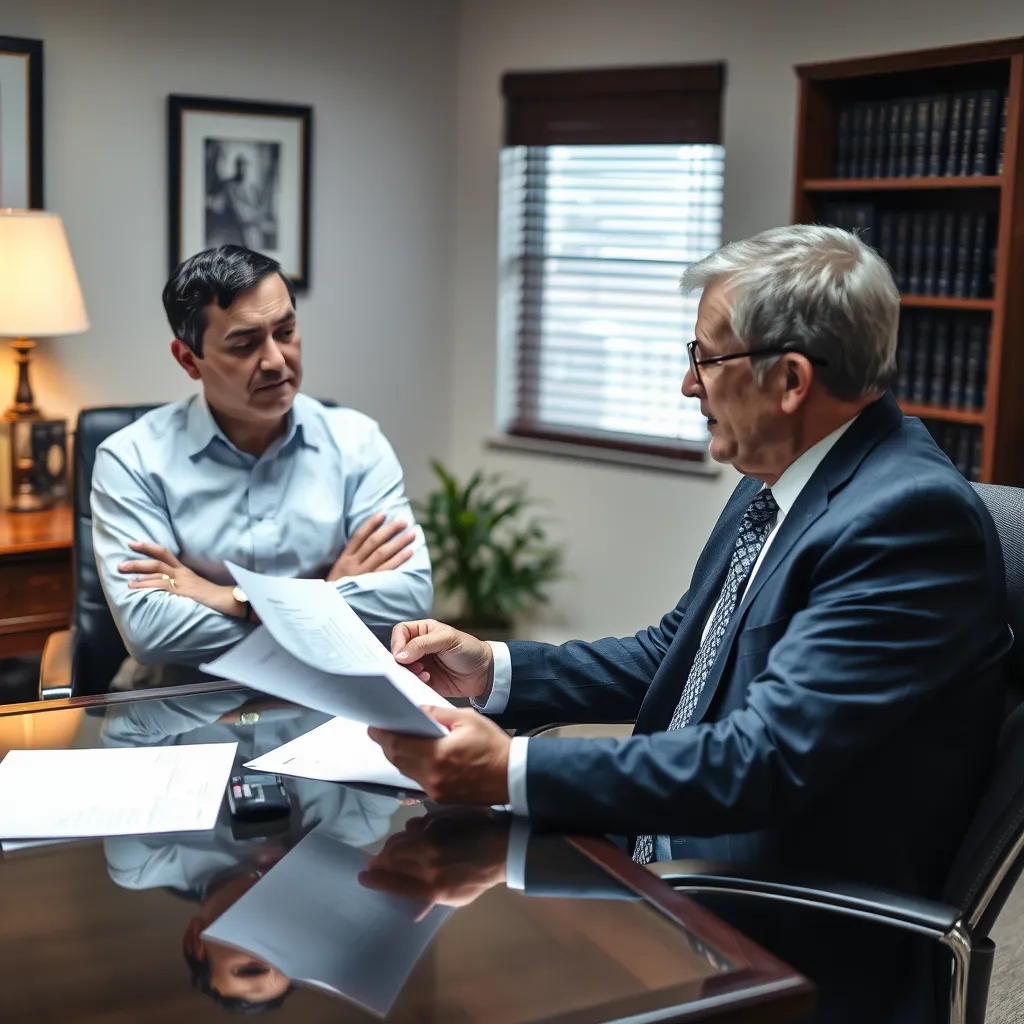
Note: This article is confirmed by Law Offices Of SRIS, P.C.
WRITTEN BY: Mr. Sris
Since 1997, Mr. Sris has led the firm, focusing on the most challenging criminal and family law cases… His background in accounting and information management aids in financial and technology-related cases… Involved in significant legislative changes in Virginia.
Insight: My focus since founding the firm in 1997 has always been directed towards personally handling the most challenging and involved criminal and family law matters our clients face.
Insight: I find my background in accounting and information management provides a unique advantage when handling the intricate financial and technological aspects inherent in many modern legal cases.
Insight: As someone deeply involved in the community, I believe it’s important to not only practice law but also to actively participate in shaping it, which is why I dedicated effort towards amending Virginia Code § 20-107.3 and achieving state recognition for cultural milestones.
Personal Injury Lawyer Gloucester VA
What is personal injury law
Personal injury law establishes the legal foundation for individuals who have suffered physical or psychological harm due to another party’s actions. This area covers incidents where someone’s conduct, whether intentional or through carelessness, causes injury to another person. The law recognizes that when harm occurs, the responsible party should provide compensation for the resulting damages.
The process begins with establishing that a duty of care existed between the parties involved. This duty means that individuals and organizations must act reasonably to avoid causing harm to others. When this duty is breached through negligent or intentional actions, and that breach directly causes injury, legal responsibility may follow. Documentation of the incident, injuries sustained, and resulting losses forms the basis for any claim.
Various types of incidents fall under personal injury law. Vehicle collisions represent a common category, where drivers must operate their vehicles with reasonable care. Premises liability cases involve injuries occurring on property due to unsafe conditions. Other situations include product liability claims for defective items, medical malpractice for professional negligence, and workplace accidents. Each type follows specific legal standards and procedures.
Compensation in personal injury cases aims to restore the injured person to their pre-accident condition as much as possible. This includes reimbursement for medical treatment costs, both current and future. Lost wages from time away from work receive consideration, along with reduced earning capacity if injuries affect long-term employment prospects. Pain and suffering, emotional distress, and loss of enjoyment of life may also factor into compensation calculations.
Real-Talk Aside: The legal system moves deliberately, not quickly. Patience matters when seeking resolution for injury claims.
How to handle an injury claim
When injuries occur, immediate actions can significantly impact the outcome of any potential claim. First and foremost, seek appropriate medical attention for any injuries sustained. Medical documentation serves as vital evidence connecting the incident to specific injuries. Follow all treatment recommendations and attend follow-up appointments as directed by healthcare providers. This demonstrates the seriousness of injuries and supports compensation requests.
Documentation represents a important component of injury claims. Record details about the incident while memories remain fresh. Note the date, time, location, weather conditions, and any witnesses present. Take photographs of the scene, visible injuries, property damage, and any contributing factors like hazardous conditions. Keep a journal tracking pain levels, treatment progress, and how injuries affect daily activities and work responsibilities.
Preserve all physical evidence related to the incident. This includes damaged property, torn clothing, or defective products. Do not repair or dispose of items that might serve as evidence. Maintain organized records of all expenses related to the injury, including medical bills, prescription costs, transportation to appointments, and receipts for assistive devices or home modifications needed due to injuries.
Communication requires careful handling following an injury incident. Avoid discussing the case with insurance adjusters or other parties without legal representation. Statements made can be used against your interests later. Do not sign any documents, especially releases or settlement offers, without having them reviewed by legal counsel. Insurance companies often seek quick settlements that may not fully cover long-term needs.
Real-Talk Aside: Insurance companies protect their financial interests first. Having representation helps level the playing field during negotiations.
Can I pursue compensation for my injuries
Determining whether you can pursue compensation for injuries involves evaluating several legal elements. The foundation rests on establishing that another party owed you a duty of care and breached that duty through negligent or intentional actions. This breach must directly cause the injuries you sustained, resulting in measurable damages. Virginia law follows specific standards for proving these elements in personal injury cases.
Negligence represents the most common basis for personal injury claims. This legal concept means that someone failed to exercise reasonable care under the circumstances. For example, drivers must obey traffic laws and operate vehicles safely. Property owners must maintain premises free of unreasonable hazards. Medical professionals must provide care meeting accepted standards. When these duties are breached, and injury results, negligence claims may arise.
Documenting damages proves essential for any compensation claim. Economic damages include quantifiable financial losses like medical expenses, rehabilitation costs, lost wages, and property damage. Non-economic damages cover more subjective losses such as pain and suffering, emotional distress, loss of enjoyment of life, and reduced quality of life. In some cases, punitive damages may apply if the responsible party’s conduct was particularly reckless or intentional.
Virginia follows a contributory negligence rule, which affects compensation eligibility. Under this standard, if you bear any responsibility for the incident that caused your injuries, you may be barred from recovering compensation. This makes thorough investigation and evidence collection particularly important in Virginia cases. Even minimal fault attributed to the injured party can prevent recovery, unlike states with comparative negligence systems.
Real-Talk Aside: Virginia’s strict negligence rules mean even small mistakes can affect your claim. Thorough preparation matters significantly.
Why hire legal help for injury matters
Engaging professional legal assistance offers several benefits when dealing with injury claims. Attorneys bring knowledge of Virginia’s specific laws and court procedures that govern personal injury cases. They understand statutes of limitations, evidence rules, and legal standards that apply. This experienced lawyer helps avoid procedural mistakes that could jeopardize a claim. Legal professionals also stay current with changes in laws and court decisions that might affect case strategy.
Accurate claim valuation represents a significant advantage of legal representation. Attorneys work with medical professionals, economists, and vocational attorneys to assess the full extent of damages. They consider not only current medical bills and lost wages but also future treatment needs, long-term disability impacts, and reduced earning capacity. This comprehensive approach helps ensure settlement offers or court awards adequately cover all present and future losses resulting from injuries.
Negotiation with insurance companies benefits from professional representation. Insurance adjusters receive training to minimize payouts and protect company interests. Attorneys understand negotiation tactics and can counter low settlement offers with evidence and legal arguments. They handle all communications, preventing clients from making statements that might weaken their position. Legal counsel can also identify when insurers act in bad faith and pursue additional remedies when appropriate.
When settlement negotiations fail to produce fair outcomes, litigation may become necessary. Attorneys prepare cases for potential court proceedings, gathering evidence, identifying witnesses, and developing legal arguments. They understand courtroom procedures and can present cases effectively before judges and juries. Even when cases don’t go to trial, the threat of litigation often encourages more reasonable settlement offers from insurance companies.
Real-Talk Aside: Legal processes involve specific deadlines and requirements. Missing details can compromise otherwise valid claims.
FAQ:
What should I do immediately after an accident?
Seek medical attention first, then document the scene and gather contact information from witnesses.
How long do I have to file a personal injury claim in Virginia?
Virginia generally allows two years from the injury date to file a lawsuit, but exceptions may apply.
What damages can I recover in a personal injury case?
Compensation may cover medical bills, lost income, pain and suffering, and other related expenses.
How are personal injury attorneys typically paid?
Many work on contingency fees, receiving payment only if they recover compensation for you.
What if the insurance company denies my claim?
Legal counsel can appeal the denial or pursue other options including potential litigation.
Can I handle a personal injury claim without an attorney?
While possible, legal representation often results in better outcomes due to procedural knowledge.
What evidence is most important for my case?
Medical records, incident documentation, witness statements, and photographic evidence prove valuable.
How long does a personal injury case typically take?
Timelines vary based on case challenge, negotiations, and whether litigation becomes necessary.
What if I was partially at fault for the accident?
Virginia’s contributory negligence rule may affect your ability to recover compensation.
How much is my personal injury case worth?
Case value depends on injury severity, financial losses, and other specific circumstances.
What happens during settlement negotiations?
Attorneys present evidence and arguments to insurance companies seeking fair compensation.
When should I contact an attorney after an injury?
Consulting legal counsel early helps protect your rights and preserve important evidence.
Past results do not predict future outcomes