
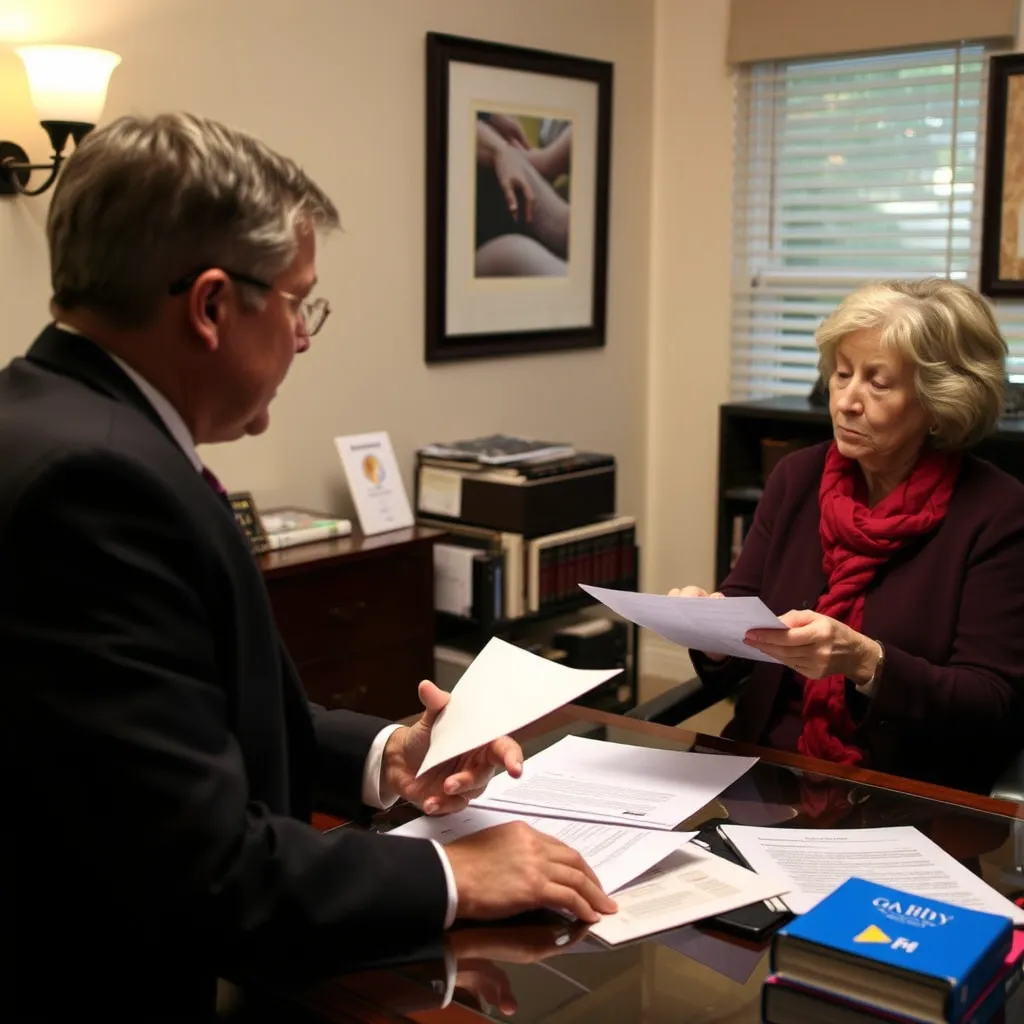
Note: This article is confirmed by Law Offices Of SRIS, P.C.
AUTHOR BIO:WRITTEN BY
Since 1997, Mr. Sris has led the firm, focusing on the most challenging criminal and family law cases… His background in accounting and information management aids in financial and technology-related cases… Involved in significant legislative changes in Virginia.
Insight: My focus since founding the firm in 1997 has always been directed towards personally handling the most challenging and involved criminal and family law matters our clients face.
Insight: I find my background in accounting and information management provides a unique advantage when handling the detailed financial and technological aspects inherent in many modern legal cases.
Insight: As someone deeply involved in the community, I believe it’s important to not only practice law but also to actively participate in shaping it, which is why I dedicated effort towards amending Virginia Code § 20-107.3 and achieving state recognition for cultural milestones.
Nursing Home Abuse Lawyer Prince George VA
What is Nursing Home Abuse
Nursing home abuse encompasses various forms of mistreatment that elderly residents may experience in care facilities. Physical abuse involves intentional harm such as hitting, pushing, or improper restraint. Emotional abuse includes verbal threats, humiliation, or isolation from social activities. Neglect occurs when staff fail to provide necessary care, leading to malnutrition, dehydration, or untreated medical conditions. Financial exploitation involves unauthorized use of a resident’s funds or property.
Virginia has specific laws protecting elderly residents in nursing homes. The Virginia Adult Protective Services Act establishes reporting requirements for suspected abuse. Facilities must maintain proper staffing levels and provide adequate training to prevent mistreatment. Documentation of injuries and care records becomes important evidence in legal proceedings.
Families should monitor their loved ones for warning signs. Unexplained bruises or fractures may indicate physical abuse. Sudden withdrawal from activities or fear of certain staff members could signal emotional mistreatment. Poor personal hygiene or weight loss might suggest neglect. Missing financial documents or unusual bank withdrawals could point to exploitation.
Legal action against abusive facilities involves several steps. Gathering medical records and facility documentation establishes the timeline of events. Attorney testimony from medical professionals can link injuries to inadequate care. Virginia’s statute of limitations for personal injury cases applies to nursing home abuse claims, making timely action important.
How to Report Nursing Home Abuse
Reporting nursing home abuse in Virginia follows established procedures to ensure proper investigation and protection for the resident. The first step involves documenting evidence without confronting facility staff directly. Take photographs of injuries or unsanitary conditions. Write detailed notes about observations, including dates, times, and names of involved staff members. Preserve medical records showing changes in the resident’s condition.
Virginia Adult Protective Services (APS) handles reports of elder abuse. Contact APS at their statewide hotline: 1-888-832-3858. Reports can also be made online through the Virginia Department of Social Services website. APS investigators will assess the situation and may visit the facility to interview staff and examine records. They determine if abuse occurred and recommend protective measures.
Simultaneously, notify the nursing home administration in writing about concerns. Virginia law requires facilities to investigate allegations internally and report findings to state authorities. Keep copies of all correspondence with the facility. If the resident faces immediate danger, consider emergency removal options with medical guidance.
Legal representation becomes important during the reporting process. An attorney can ensure proper documentation meets legal standards. They communicate with APS investigators to advocate for thorough examination. Legal counsel also protects against potential retaliation by the facility against the resident or family members.
Can I Sue a Nursing Home for Neglect
Legal action against nursing homes for neglect is possible under Virginia law when facilities fail to meet required care standards. Neglect cases involve proving the facility breached its duty of care, causing harm to the resident. Virginia’s Nursing Home Reform Act establishes minimum requirements for staffing, training, and resident care. Facilities must develop individualized care plans and provide services matching each resident’s needs.
Common neglect scenarios include inadequate supervision leading to falls, medication errors, failure to prevent bedsores, and improper management of medical conditions. Documentation showing deviation from care plans or facility policies strengthens legal claims. Medical records demonstrating deterioration in the resident’s condition despite facility responsibility provide important evidence.
Virginia’s statute of limitations for personal injury claims applies to nursing home neglect cases. Generally, actions must be filed within two years from when the neglect occurred or was discovered. However, exceptions may apply for ongoing neglect or when the resident has cognitive impairments affecting their ability to recognize harm.
Compensation in neglect cases may cover medical expenses for treating injuries caused by inadequate care, pain and suffering experienced by the resident, and in some cases, punitive damages for particularly egregious facility conduct. Legal proceedings also seek to implement changes in facility practices to prevent future neglect.
Why Hire Legal Help for Nursing Home Cases
Engaging legal representation for nursing home abuse cases offers several important benefits for families seeking justice. Attorneys specializing in elder law possess detailed knowledge of Virginia’s regulatory framework governing nursing homes. They understand the Virginia Administrative Code requirements for facility operations, staffing ratios, and care standards. This knowledge helps identify violations that may constitute abuse or neglect.
Legal professionals manage the investigation process systematically. They obtain medical records, facility documentation, and staff training records through proper legal channels. Attorneys consult with medical attorneys who can testify about the connection between facility failures and resident harm. This attorney analysis strengthens legal claims and helps establish causation in court proceedings.
Communication with nursing home facilities and insurance companies requires legal strategy. Attorneys handle negotiations to seek fair settlements while preparing for potential litigation. They ensure all settlement agreements properly address the resident’s ongoing care needs and future medical requirements. Legal counsel also protects against agreements that might limit future claims for related issues.
Court representation becomes necessary when facilities deny responsibility or offer inadequate compensation. Attorneys present evidence effectively, cross-examine facility witnesses, and argue legal standards before judges or juries. They understand procedural rules and deadlines that non-lawyers might miss, preserving the family’s right to pursue claims.
FAQ:
1. What are common signs of nursing home abuse?
Unexplained bruises, sudden weight loss, poor hygiene, and behavioral changes may indicate mistreatment. Document observations and seek medical evaluation.
2. How long do I have to file a nursing home abuse claim in Virginia?
Generally two years from when abuse occurred or was discovered. Exceptions may apply for ongoing situations or cognitive impairments.
3. What evidence is important for nursing home abuse cases?
Medical records, facility care plans, photographs of injuries, and witness statements help establish facility failures and resident harm.
4. Can I report abuse anonymously in Virginia?
Yes, Virginia Adult Protective Services accepts anonymous reports. However, providing contact information helps investigators gather more details.
5. What compensation might be available in abuse cases?
Medical expenses, pain and suffering, and sometimes punitive damages for particularly bad facility conduct. Each case varies based on specific harm.
6. How do nursing homes typically respond to abuse allegations?
Facilities often conduct internal investigations. Some may try to minimize incidents. Legal representation helps ensure proper external review occurs.
7. What if the nursing home denies any abuse occurred?
Independent medical evaluation and review of facility records can reveal inconsistencies. Legal action may be necessary to obtain full investigation.
8. Are there alternatives to lawsuit for resolving abuse claims?
Mediation or settlement negotiations sometimes resolve cases without court proceedings. An attorney can advise on the best approach for your situation.
9. What role do state inspectors play in abuse cases?
Virginia Department of Health conducts facility inspections. Violation citations can support legal claims about inadequate care standards.
10. How can I protect my loved one during an abuse investigation?
Consider temporary relocation if safety concerns exist. Document all communications with the facility. Legal counsel can help manage protective measures.
11. What training should nursing home staff have in Virginia?
State regulations require specific training on elder care, abuse prevention, and emergency procedures. Inadequate training may indicate facility failures.
12. Can family members be involved in care planning?
Yes, Virginia law encourages family participation in developing and reviewing individual care plans for residents.
Past results do not predict future outcomes.