
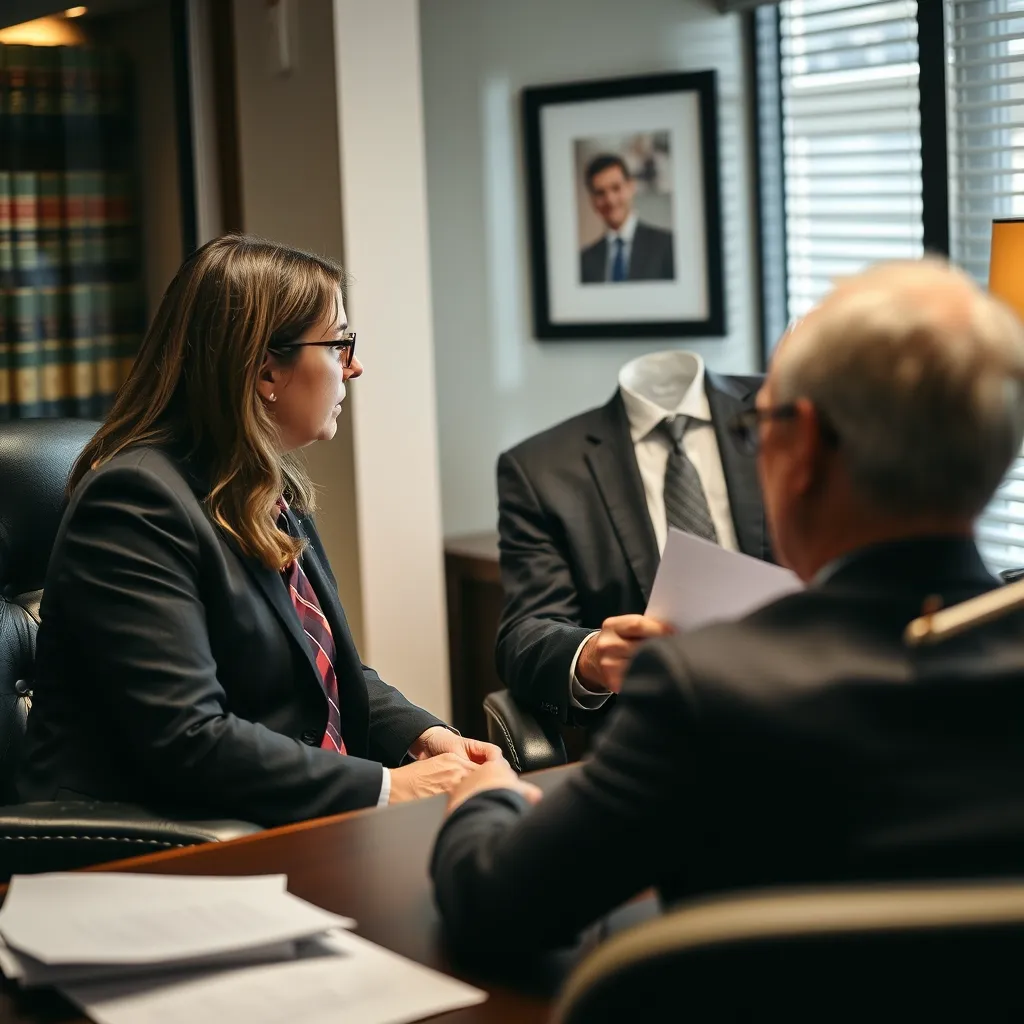
Elevator Accident Lawyer Manassas Park, VA: Understanding Your Rights
An elevator accident can be sudden, traumatic, and deeply disorienting. Whether you were trapped between floors, suffered a fall due to mechanical failure, or sustained injuries from an unexpected movement, the immediate aftermath is often overwhelming. In Manassas Park, Virginia, navigating the legal system after such an incident adds immense stress to an already difficult time. If you are dealing with injuries—from minor bruises to severe spinal trauma—it is critical that you understand your rights and the complex process of holding responsible parties accountable. The law surrounding elevator accidents falls under premises liability and negligence, requiring specialized knowledge to prove that a specific failure or oversight caused your harm. At Law Offices Of SRIS, P.C., we provide dedicated representation for individuals who have suffered injuries due to mechanical failures within elevators in Manassas Park and the surrounding Prince William County area. Our goal is to guide you through every step, ensuring that you receive the compensation and support you deserve.
What Constitutes an Elevator Accident Claim in Virginia?
An elevator accident claim generally arises when a person sustains injuries due to the malfunction or improper maintenance of an elevator system. These incidents are not limited to simply being trapped; they can encompass a wide range of failures, including sudden stops, falls from moving platforms, entrapment between floors, or injuries caused by faulty safety mechanisms. To build a successful claim, we must establish four key elements:
- Duty: The elevator company, building owner, or maintenance contractor had a legal duty to ensure the elevator was safe and properly maintained.
- Breach: They breached that duty by failing to maintain the equipment to industry standards or by ignoring known safety defects.
- Causation: This breach directly caused your injury.
- Damages: You suffered actual, quantifiable damages (medical bills, lost wages, pain and suffering).
Understanding these elements is the foundation of our work in personal injury defense at our firm. We work with clients across Manassas Park, as well as those seeking Manassas elevator accident lawyer services.
How Are Elevator Accidents Investigated by Our Firm?
The investigation process is highly technical and requires coordination between experienced attorneys, forensic engineers, and medical professionals. When an incident occurs, the clock starts ticking on evidence preservation. We immediately begin gathering critical information: police reports, emergency service records, and most importantly, documentation of the elevator’s operational history. Our team works to secure maintenance logs, inspection records, and any video surveillance footage that might prove negligence. Furthermore, we coordinate with medical experts to build a comprehensive timeline of your injuries and their connection to the accident. Because these cases often involve complex mechanical failure analysis, our experience in personal injury defense at our firm is crucial for securing all necessary evidence before it can be lost or altered.
What Types of Injuries Are Covered by Elevator Accident Claims?
The injuries sustained from elevator accidents vary widely, and our practice covers the full spectrum of resulting damages. These can include:
- Musculoskeletal Injuries: Sprains, fractures, back strains, and joint damage resulting from falls or impacts.
- Traumatic Injuries: Bruising, lacerations, concussions, and whiplash.
- Psychological Trauma: Anxiety, PTSD, and emotional distress related to the traumatic event.
Beyond the physical injuries, we also pursue compensation for significant non-economic damages, such as pain and suffering, which are vital components of a comprehensive claim. We understand that every case is unique, and our approach is always customized to the specific facts of your accident.
What is Premises Liability in this Context?
Premises liability is a core concept in personal injury law. In the context of an elevator, it means that the owner or operator of the property (the “premises”) owes a duty to all occupants—including you—to maintain the structure and its mechanical systems in a safe condition. If the accident was due to poor maintenance, outdated equipment, or failure to warn of known hazards, this constitutes a breach of premises liability. Our attorneys are experienced in navigating these complex liability issues, ensuring that we hold the responsible parties accountable for creating an unsafe environment.
Manassas Park Elevator Accident Lawyer Services: What to Expect
If you or a loved one has been injured in an elevator accident in Manassas Park, the first thing you should do is seek immediate medical attention. Do not delay treatment because of financial concerns; your health is the priority. Next, gather all available documentation and contact us. We operate on a contingency fee basis, meaning you pay nothing upfront. We take on your case and handle all legal costs, including expert witness fees and court expenses. Our commitment is to fight for maximum compensation so that you can focus entirely on your recovery. We are dedicated advocates who understand the urgency and sensitivity of these claims.
How Do I Prove Negligence in an Elevator Accident Case?
Proving negligence requires demonstrating that the responsible party failed to act with the reasonable standard of care. For elevator accidents, this often involves proving:
- The maintenance records were incomplete or non-existent.
- The equipment was past its recommended service life.
- The company ignored known safety warnings or defects.
To prove this, we employ forensic experts who analyze the mechanical components and operational data. We also examine the contractual obligations between the building owner, the elevator manufacturer, and the maintenance provider to pinpoint exactly where the failure occurred. Our detailed knowledge of Prince William County personal injury lawyer standards allows us to build an airtight case.
What is the Statute of Limitations for Elevator Accidents?
The statute of limitations is a strict deadline set by Virginia law (and other jurisdictions) after which you must file a lawsuit. If you miss this deadline, your right to sue may be permanently barred, regardless of how strong your case is. Because these laws are highly specific and can vary based on the nature of the injury and the jurisdiction, it is absolutely critical that you speak with an attorney immediately. We will advise you on the precise deadlines applicable to your situation in Manassas Park.
Where Can I Find an Elevator Accident Lawyer Near Me?
When searching for an elevator accident lawyer near Manassas Park, VA, you need more than just proximity; you need proven experience in mechanical failure and premises liability. Our firm has established deep roots serving the entire Northern Virginia area, including clients who live in neighboring communities such as Manassas personal injury lawyer and Gainesville. We maintain a comprehensive understanding of local court procedures and the unique challenges presented by infrastructure accidents across Prince William County.
What Are My Rights After an Elevator Accident?
Your rights begin the moment the accident occurs. You have the right to immediate medical care, regardless of who is at fault. You also have the right to be informed about your legal options and to have a dedicated advocate fighting for you. Do not sign any documents or give statements to insurance adjusters without consulting with us first. We will manage all communications with insurance companies, protecting your rights and ensuring that your claim is handled professionally and actively.
How Do I File a Claim for Elevator Injuries?
Filing a claim is not a single event; it is a multi-stage process. First, we secure the evidence and establish the timeline. Second, we negotiate with the responsible parties’ insurance companies to maximize your settlement value. Third, if negotiations fail, we prepare and file a formal lawsuit in the appropriate Virginia court. Our attorneys manage this entire lifecycle, ensuring that every piece of evidence is presented correctly and that your claim is maximized.
How Mr. Sris and the Firm’s Of Counsel Attorneys Handle Elevator Accident Cases in Manassas Park
Handling complex cases like elevator accidents requires a multi-disciplinary approach that goes far beyond basic legal filing. Our process begins with an immediate, thorough investigation. We don’t wait for the insurance companies to act; we proactively gather maintenance records, interview witnesses, and engage forensic engineers who can pinpoint the exact mechanical failure point. This initial deep dive allows us to build a robust narrative of negligence from day one. Whether the accident occurred in Manassas Park or neighboring localities like Manassas personal injury lawyer, our team treats every case with the urgency and precision it deserves.
Furthermore, we leverage the collective experience of the firm’s Of Counsel attorneys. These specialized legal minds bring diverse knowledge—from complex premises liability law to specific mechanical failure statutes—that strengthens our negotiating position significantly. We ensure that your claim is viewed through every possible legal lens. Our commitment is to provide a seamless, experienced attorney-driven defense that maximizes your recovery and holds the responsible parties accountable for their failures.
About Mr. Sris and the Firm’s Of Counsel Attorneys
Law Offices Of SRIS, P.C. was founded by Mr. Sris, who brings decades of experience in personal injury law. As Owner and Founder, Mr. Sris has built a practice dedicated to fighting for justice when mechanical failures or negligence cause harm. He is a former prosecutor with extensive experience in criminal trial work, giving him a unique understanding of evidence presentation and legal strategy. Mr. Sris is admitted in Virginia, Maryland, the District of Columbia, New Jersey, and New York, allowing us to serve clients across multiple jurisdictions with deep familiarity.
The strength of our firm lies not only in Mr. Sris’s experience but also in the collective knowledge of the firm’s Of Counsel attorneys. These highly specialized legal professionals work alongside our core team, providing niche experience that covers everything from complex civil litigation to specific jurisdictional statutes. We maintain a network of experienced legal minds who are dedicated to upholding the highest standards of care and advocacy for every client who walks through our doors. When you partner with us, you gain access to this expansive, collaborative legal resource.
Frequently Asked Questions About Elevator Accidents
What is the statute of limitations for an elevator accident in Virginia?
The statute of limitations varies depending on the specific nature of your injury and the type of negligence alleged. Because these laws are strict deadlines, it is critical that you speak with an attorney immediately to determine the precise deadline applicable to your situation.
Do I need a lawyer right away after an elevator accident?
Yes, absolutely. The sooner you secure legal representation, the better. An attorney can help you preserve evidence, manage communication with insurance companies, and ensure that your medical claims are properly documented from the start.
Can I sue multiple parties in an elevator accident case?
Yes. Often, multiple parties contribute to the negligence—this might include the building owner, the maintenance company, and the elevator manufacturer. We are experienced in complex multi-party litigation to ensure all responsible parties are held accountable.
What documentation should I gather immediately after an accident?
You should collect all available information: photos of the scene, names of witnesses, police report numbers, and any medical records or receipts. Do not alter anything at the scene, and let us handle the formal evidence collection.
Will my insurance company pay for my lost wages?
Yes, if your injuries are proven to be caused by the defendant’s negligence, your claim can cover lost wages (past and future) through compensation for lost earning capacity. This requires detailed documentation of your employment history.
How long does it take to resolve an elevator accident claim?
The timeline varies significantly. Simple cases may settle quickly, but complex litigation involving expert testimony and multiple defendants can take many months or even years to reach a final resolution.
Is it possible to sue the building owner if the elevator fails?
Yes. The building owner has a duty to ensure that all mechanical systems are properly maintained and safe for occupants. Failure to enforce proper maintenance protocols can be a key element of negligence against the property owner.
What happens if I cannot afford an attorney?
We operate on a contingency fee basis, meaning you do not pay any upfront costs or retainers. We only get paid if we successfully recover damages for you, making quality legal representation accessible regardless of your current financial situation.
Taking the Next Step After an Elevator Accident in Manassas Park
An elevator accident is a life-altering event, and the process of seeking justice should not add to your burden. At Law Offices Of SRIS, P.C., we are committed to providing clear guidance and fierce advocacy throughout your recovery journey. We understand that every injury story is unique, whether you were injured in Manassas Park, Gainesville, or anywhere else in Prince William County. Our team of experienced personal injury defense attorneys is ready to take on the complexity of mechanical failure cases. Do not attempt to navigate this alone. Contact us today at (888) 437-7747 to schedule a confidential consultation. We will review your case details, explain your legal options, and guide you toward the compensation you deserve.
*Disclaimer: The information provided on this website is for informational purposes only and does not constitute legal advice. Every case is unique, and the laws governing elevator accidents are complex and constantly changing. You must consult with a qualified attorney to discuss the specifics of your situation. All claims are subject to applicable law.*
Case results depend on a variety of factors unique to each case.
Attorney advertising. Prior results do not guarantee a similar outcome.