
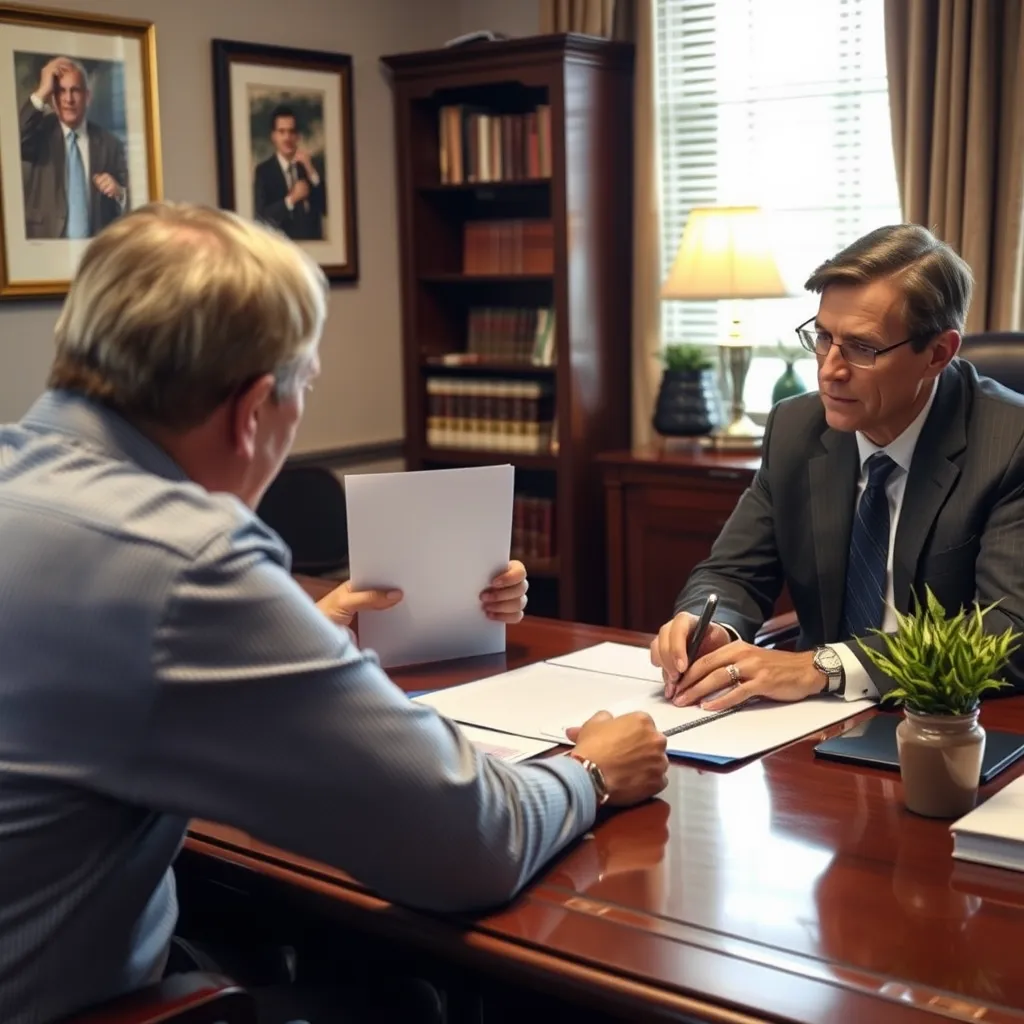
Note: This article is confirmed by Law Offices Of SRIS, P.C.
WRITTEN BY: Mr. Sris
Since 1997, Mr. Sris has led the firm, focusing on the most challenging criminal and family law cases… His background in accounting and information management aids in financial and technology-related cases… Involved in significant legislative changes in Virginia.
Insight: My focus since founding the firm in 1997 has always been directed towards personally handling the most challenging and involved criminal and family law matters our clients face.
Insight: I find my background in accounting and information management provides a unique advantage when handling the intricate financial and technological aspects inherent in many modern legal cases.
Insight: As someone deeply involved in the community, I believe it’s important to not only practice law but also to actively participate in shaping it, which is why I dedicated effort towards amending Virginia Code § 20-107.3 and achieving state recognition for cultural milestones.
Premises Liability Lawyer King William VA
What is premises liability
Premises liability establishes property owners’ legal obligations to maintain safe conditions for visitors. This area of law covers various situations where injuries occur due to unsafe property conditions. Property owners must address known hazards and take reasonable steps to prevent injuries. The legal standard varies based on visitor status, with different protections for invited guests versus trespassers.
Property owners must regularly inspect their premises and address potential dangers. This includes repairing damaged flooring, clearing walkways, and maintaining adequate lighting. When owners fail to meet these responsibilities, they may be liable for injuries that occur. The specific requirements depend on property type and visitor expectations.
Virginia law establishes clear guidelines for premises liability cases. Property owners must exercise reasonable care to prevent injuries. This includes addressing known hazards and conducting regular inspections. The legal process involves demonstrating the property owner’s negligence and the direct connection between unsafe conditions and injuries sustained.
Legal professionals assess each situation based on specific circumstances. They examine property conditions, maintenance records, and injury details. This evaluation helps determine whether property owners met their legal obligations. Successful claims require demonstrating negligence and establishing clear causation between property conditions and injuries.
How to address property injury claims
Addressing property injury claims requires immediate action to preserve evidence and protect legal rights. Begin by documenting the incident scene thoroughly. Take photographs of hazardous conditions, lighting, and any visible injuries. Note weather conditions and gather contact information from witnesses. This documentation creates a record of conditions at the time of injury.
Seek medical attention promptly, even for seemingly minor injuries. Some conditions may not show immediate symptoms but could develop complications later. Medical records provide official documentation of injuries and establish a timeline connecting them to the incident. Follow all medical recommendations and keep detailed records of treatments and expenses.
Report the incident to property management or owners immediately. Request a written incident report and obtain a copy for your records. Avoid providing detailed statements about fault or responsibility until consulting legal counsel. Property representatives may attempt to minimize their liability, so careful communication is important.
Consult with legal professionals experienced in property injury cases. They can evaluate your situation, explain legal options, and guide you through the claims process. Legal counsel helps handle insurance company communications and ensures proper valuation of damages. They work to develop effective legal arguments based on evidence and applicable laws.
Can I pursue a slip and fall case
Slip and fall cases depend on establishing property owner negligence regarding hazardous conditions. The legal standard requires demonstrating that dangerous conditions existed and property owners failed to address them appropriately. This involves showing either actual knowledge of hazards or that conditions existed long enough that reasonable inspection would have revealed them.
Property owners must maintain walking surfaces in reasonably safe condition. This includes addressing spills promptly, repairing uneven surfaces, and providing adequate warning of temporary hazards. When owners fail to meet these responsibilities, they may be liable for resulting injuries. The specific requirements vary based on property type and visitor expectations.
Successful slip and fall claims require clear evidence connecting injuries to specific hazardous conditions. Photographs of the scene, witness statements, and incident reports help establish what occurred. Medical records document injuries and treatment requirements. Maintenance records may show whether property owners conducted regular inspections and addressed known issues.
Legal professionals evaluate slip and fall cases based on multiple factors. They consider the nature of the hazard, duration of its existence, and property owner’s response. They also assess whether the injured person exercised reasonable care. Comparative negligence principles may apply if the injured person contributed to the incident through their own actions.
Why hire legal help for unsafe premises issues
Legal assistance for unsafe premises issues provides important support throughout the claims process. Professionals evaluate the strength of your case based on evidence and applicable laws. They identify potential legal theories and develop strategies for pursuing compensation. This guidance helps avoid common pitfalls that could weaken your position.
Experienced legal professionals understand how to gather and preserve evidence effectively. They know what documentation insurance companies require and how to present it persuasively. This includes obtaining maintenance records, security footage, and witness statements that property owners might not voluntarily provide. Proper evidence collection strengthens negotiation positions and trial preparedness.
Legal counsel handles communications with insurance companies and property owners. They ensure all deadlines are met and proper procedures followed. Insurance adjusters often attempt to minimize payouts, but experienced attorneys understand valuation methods for various damages. They work to ensure compensation covers medical expenses, lost wages, and other losses adequately.
Professional legal representation helps level the playing field against well-resourced property owners and insurance companies. They understand legal procedures, evidence rules, and negotiation tactics. This knowledge helps achieve fair outcomes while allowing injured individuals to focus on recovery. Legal professionals work to develop effective legal arguments based on specific circumstances and applicable laws.
FAQ:
What is premises liability?
Premises liability involves property owners’ responsibility for injuries occurring due to unsafe conditions on their property.
How long do I have to file a claim?
Virginia typically allows two years from the injury date to file premises liability claims, but specific circumstances may affect deadlines.
What damages can I recover?
Possible recovery includes medical expenses, lost wages, pain and suffering, and other losses related to the injury.
Do I need to prove the property owner knew about the hazard?
You must show the owner knew or should have known about the hazardous condition through reasonable inspection.
What if I was partially at fault?
Virginia follows contributory negligence rules, which may affect recovery if you share any responsibility for the incident.
What evidence should I collect?
Collect photographs, witness information, incident reports, and medical records documenting injuries and treatment.
How are damages calculated?
Damages consider medical costs, lost income, pain severity, injury duration, and impact on daily activities and quality of life.
What if the property is a business?
Business properties have heightened responsibilities to maintain safe conditions for customers and visitors during operating hours.
Can I handle the claim myself?
While possible, professional guidance helps handle legal procedures, evidence requirements, and insurance company negotiations effectively.
What if the injury occurred at a rental property?
Both property owners and tenants may share responsibility depending on lease terms and maintenance agreements in place.
How long does the process take?
Timelines vary based on case challenge, evidence availability, and whether settlement negotiations proceed or litigation becomes necessary.
What costs are involved in hiring an attorney?
Many premises liability attorneys work on contingency fees, receiving payment only if they secure compensation for you.
Past results do not predict future outcomes