
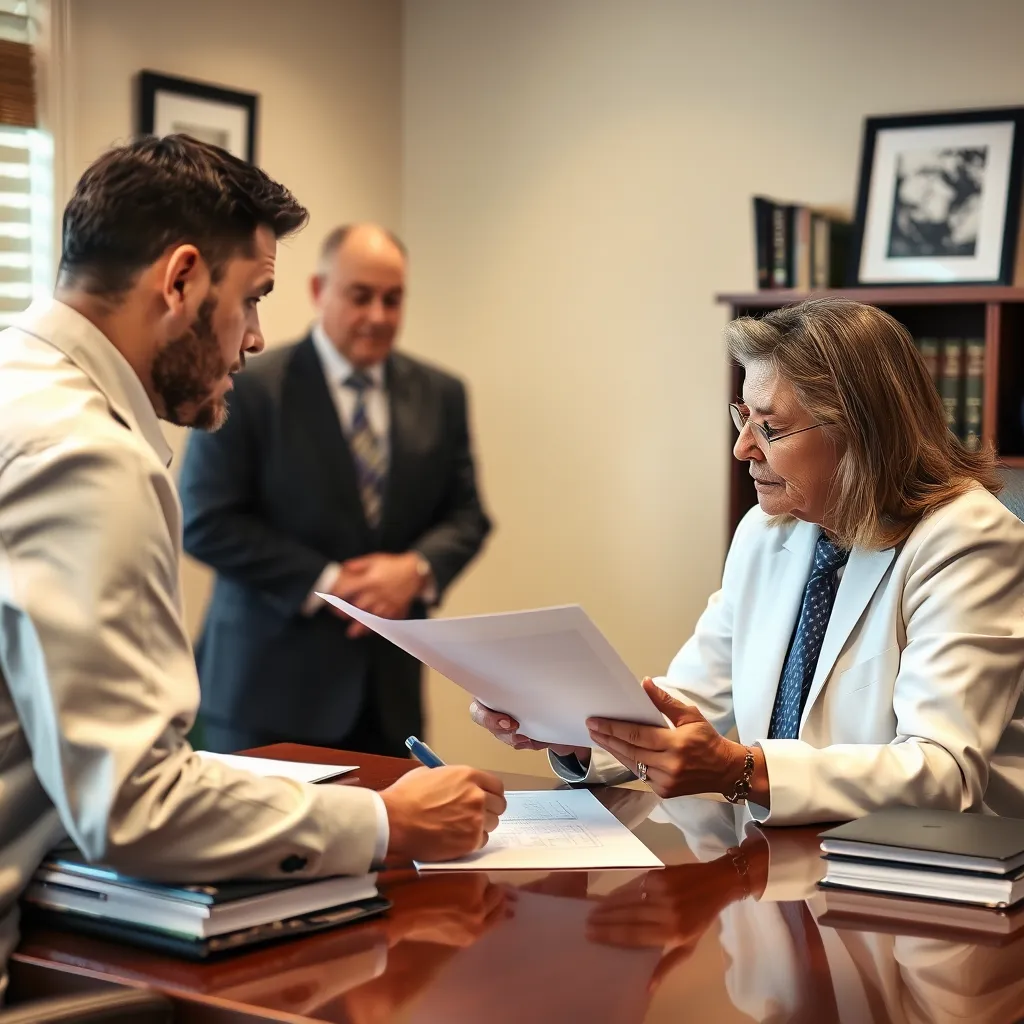
Medical Malpractice Lawyer in Chesapeake, VA
A medical malpractice claim is one of the most complex and emotionally taxing areas of law. When an injury occurs due to alleged negligence by a healthcare provider—whether it be a diagnostic error, surgical mistake, or failure to warn—the path to accountability is fraught with scientific complexity, jurisdictional hurdles, and strict procedural deadlines. If you or a loved one has suffered an injury in the Chesapeake area and believe that substandard medical care contributed to that harm, understanding your rights and the legal process is the critical first step.
The law requires more than just proof of an adverse outcome; it demands expert testimony establishing that the provider deviated from the accepted standard of care. This level of scrutiny necessitates the involvement of experienced legal counsel who specialize exclusively in medical malpractice defense. At Law Offices Of SRIS, P.C., our dedicated medical malpractice practice is built upon decades of litigation experience across multiple jurisdictions, including Virginia. We work diligently to investigate every facet of the care provided to determine if negligence occurred and how that negligence impacted your life.
We understand that navigating a medical crisis while simultaneously dealing with legal questions is overwhelming. Our goal is to provide clear, actionable guidance, allowing you to focus on recovery while we manage the intricate details of the investigation. If you are seeking Virginia Beach medical malpractice lawyers or counsel in the Chesapeake area, please know that our team is here to guide you through this process.
Contact Our Location by Appointment Only
If you suspect medical negligence in the Chesapeake area, do not delay. The statute of limitations for malpractice claims can be extremely short and varies depending on the specific injury and jurisdiction. We urge you to speak with an attorney immediately. You may reach our location at (888) 437-7747. We accept appointments by calling us directly.
What Constitutes Medical Malpractice in Virginia?
Medical malpractice is not simply a disagreement over treatment; it is a specific legal claim asserting that a healthcare professional failed to meet the accepted standard of care, and that this failure directly caused injury or death. In Virginia, as in other jurisdictions, establishing malpractice requires proving four key elements: 1) Duty (the doctor-patient relationship existed); 2) Breach (the provider deviated from the standard of care); 3) Causation (the breach directly caused the injury); and 4) Damages (actual harm occurred).
The standard of care is defined by what a reasonably prudent practitioner in the same specialty would do under similar circumstances. This is why experienced attorney medical testimony is indispensable. Our attorneys work closely with medical experts to review charts, test results, and procedural notes to pinpoint exactly where the deviation from accepted practice occurred. Whether the issue involves diagnostic failure or surgical error, our team has the resources to build a comprehensive case.
Common Types of Medical Malpractice Claims
Medical malpractice is an umbrella term covering numerous potential failures. Understanding the specific type of negligence alleged can help frame your legal strategy. Some of the most common areas we investigate include:
Diagnostic Errors and Failure to Diagnose
This occurs when a provider misses a critical diagnosis, delays one, or misdiagnoses a condition entirely. For example, failing to order necessary tests or dismissing symptoms that later prove life-threatening can constitute malpractice. The timeline of care is crucial here, as the failure to act promptly can be a central point of contention.
Surgical Malpractice
Surgical errors are highly visible and often involve complications such as leaving foreign objects inside the patient, operating on the wrong body part, or improper surgical technique. These claims require meticulous review of the operative reports and hospital records to determine where the procedure deviated from established best practices.
Failure to Obtain Informed Consent
A provider must ensure that a patient fully understands the risks, benefits, and alternatives to a proposed treatment before consenting. If a doctor fails to adequately explain the potential dangers of a procedure—or if the patient was misled about the necessity of the care—this can form the basis of a malpractice claim.
Medication Errors
This involves administering the wrong drug, giving the wrong dosage, or failing to monitor for adverse drug interactions. The pharmaceutical landscape is complex, and even minor deviations in prescribing protocols can lead to significant patient harm.
Understanding the Statute of Limitations for Malpractice
Perhaps the most time-sensitive aspect of any malpractice claim is the statute of limitations. This is a strict deadline set by law that dictates how long you have to file a lawsuit after an injury occurs. Missing this deadline, even by a few days, can permanently bar your ability to seek compensation.
Because these statutes are highly specific—varying by the type of injury, the jurisdiction (Virginia vs. Maryland), and sometimes even the nature of the negligence—it is absolutely vital that you do not rely on general advice. Our team advises clients immediately upon suspicion of malpractice because the clock starts ticking from the date of injury or discovery of the harm, whichever comes first. This complexity underscores why retaining experienced Medical Malpractice Lawyer in Chesapeake, VA is non-negotiable.
Why Choose Our Firm for Your Case?
When dealing with complex medical litigation, you need a firm that combines deep local knowledge with broad, multi-jurisdictional experience. Law Offices Of SRIS, P.C. provides this combination. We have successfully litigated cases involving medical negligence across multiple states, including Virginia and Maryland. Our commitment to thorough investigation means we look beyond the immediate injury to find systemic failures in care.
If you are considering legal options in surrounding areas, please note that our experience extends beyond Chesapeake. We are frequently sought out by clients needing Norfolk medical malpractice lawyers or counsel for cases involving Virginia Beach medical malpractice lawyers.
How Mr. Sris and the Firm’s Of Counsel Attorneys Handle Medical Malpractice Cases in Chesapeake
The process of litigating a medical malpractice claim is inherently adversarial, requiring a methodical, multi-stage approach that moves from initial investigation to experienced attorney discovery, and finally, to trial. When clients first contact our location, Mr. Sris and the firm immediately initiate a comprehensive review of the entire medical record. This initial phase focuses on identifying potential gaps in care, inconsistencies in documentation, or deviations from established protocols. We do not rely solely on the records provided by the hospital or physician; we build our case by cross-referencing multiple sources to establish a clear timeline of events and pinpoint the precise moment the standard of care was breached.
As the case progresses, our approach becomes highly specialized. We engage with experienced medical experts—attorney in the specific field of care (e.g., orthopedic surgery, cardiology)—to analyze the evidence against the accepted medical consensus. This expert testimony is the backbone of any successful malpractice suit. Furthermore, the firm’s Of Counsel attorneys, who are highly specialized practitioners in various fields, provide invaluable support by offering unique perspectives on complex legal and medical issues. They work collaboratively with Mr. Sris to ensure that every angle of negligence—from billing discrepancies to procedural misconduct—is thoroughly investigated, maximizing the client’s ability to pursue justice for their injuries.
About Mr. Sris and the Firm’s Of Counsel Attorneys
Mr. Sris, Owner and Founder of Law Offices Of SRIS, P.C., brings decades of dedicated experience to every case. As a former prosecutor, he possesses a unique understanding of criminal law, evidence handling, and the rigorous standards required to build an airtight legal argument—skills that are invaluable when confronting complex medical records. Mr. Sris is admitted in Virginia, Maryland, the District of Columbia, New Jersey, and New York, providing our clients with a multi-jurisdictional resource base. His commitment to patient advocacy ensures that whether the matter arises locally in Chesapeake or across state lines, the client receives the highest level of dedicated representation.
The firm’s Of Counsel attorneys are a collective of highly accomplished legal minds who augment our core team’s capabilities. They represent independent practitioners who bring niche experience to our client base, ensuring that the firm can address virtually any facet of complex litigation. While we maintain a centralized approach to client care, the depth of knowledge provided by these specialized attorneys allows us to tackle malpractice claims with extensive breadth and focus. We treat every case as if it were our own, dedicating our full resources to achieving favorable outcomes for our clients.
What is the Difference Between Malpractice and Simple Negligence?
While malpractice falls under the broader umbrella of negligence, the legal standard is significantly higher. General negligence might involve failing to meet a basic duty of care (e.g., forgetting to lock a door). Medical malpractice, however, requires proving that the provider failed to adhere to the specific, accepted professional standards—the “standard of care”—that are dictated by medical science and established guidelines within their specialty. This distinction is crucial because it elevates the required level of proof from general carelessness to professional incompetence or deviation.
Diagnostic Errors vs. Surgical Errors: Which is More Common?
Both diagnostic and surgical errors are devastating, but they arise from different points in the continuum of care. Diagnostic errors often involve a failure to correctly interpret test results, a delay in ordering necessary imaging, or dismissing symptoms as minor when they are indicative of a serious underlying condition. Conversely, surgical errors occur during the physical procedure itself—issues with instruments, anatomy, or technique. While diagnostic errors can sometimes be harder to prove because the “correct” diagnosis was not immediately apparent, both require detailed review of the patient’s entire medical history and the experienced attorney opinion of attorney in the relevant field.
Serving the Greater Chesapeake Area
Our commitment to comprehensive care extends across the Hampton Roads region. If you are seeking specialized legal help, we have dedicated resources for neighboring communities:
- For issues in Virginia Beach, you can connect with our Virginia Beach medical malpractice lawyers.
- If your case pertains to the Norfolk area, our team of Norfolk medical malpractice lawyers is ready to assist.
- We also serve clients needing counsel in neighboring areas like Newport News and Virginia Peninsula.
Frequently Asked Questions About Medical Malpractice
How long do I have to file a medical malpractice lawsuit?
The statute of limitations is extremely strict and varies by jurisdiction and the nature of the injury. In Virginia, for example, these deadlines can be short. Because missing this deadline is often irreversible, it is critical that you speak with an attorney immediately upon suspecting negligence.
Do I need to hire a medical experienced attorney to prove malpractice?
Yes. In nearly all jurisdictions, including Virginia, the law requires proof that the provider deviated from the accepted standard of care. This deviation must be established by qualified medical experts who can testify that the treatment provided was substandard.
Can I sue a hospital, or just the doctor?
You can potentially sue both. The malpractice claim might target the individual physician for their direct actions (or inactions), but the facility (the hospital) may also be liable if it failed in its duty to maintain proper equipment, staff, or protocols.
What documentation should I gather before speaking to an attorney?
Gather every piece of documentation you have: discharge summaries, test results, doctor’s notes, billing statements, and any correspondence. While we will guide you through the process, having these materials ready helps us start our investigation immediately.
Is malpractice insurance enough to cover my damages?
Insurance coverage is designed to protect the provider, not necessarily the patient. While the provider’s insurance will pay for the judgment, it does not guarantee that all your damages—including pain, suffering, and lost wages—will be fully compensated.
What happens if the doctor claims I contributed to my own injury?
This is called contributory negligence. While the defense may raise this argument, our legal team is equipped to counter it by proving that the primary cause of the injury was the provider’s breach of duty, regardless of any minor contributing factors on your part.
Can I file a complaint with the state board instead of suing?
Filing a complaint with a state medical board is an administrative action that investigates professional conduct. It does not, however, replace the civil lawsuit necessary to recover financial damages. These two processes are separate.
How much does it cost to hire a malpractice lawyer?
Most medical malpractice cases are handled on a contingency fee basis. This means that our fee is contingent upon the successful recovery of damages in your case. If we do not win, you do not pay our legal fees.
Case results depend on a variety of factors unique to each case.
Attorney advertising. Prior results do not guarantee a similar outcome.